.svg)
NEWS -
Aliquetin phasellus feugiat lobortis tortor hendrerit ultricies mus aliquam malesuada

There’s a phase in early motherhood where you realize the things you bring into your child’s life aren’t just objects. They start to shape your routines, your days, and all the small moments in between.
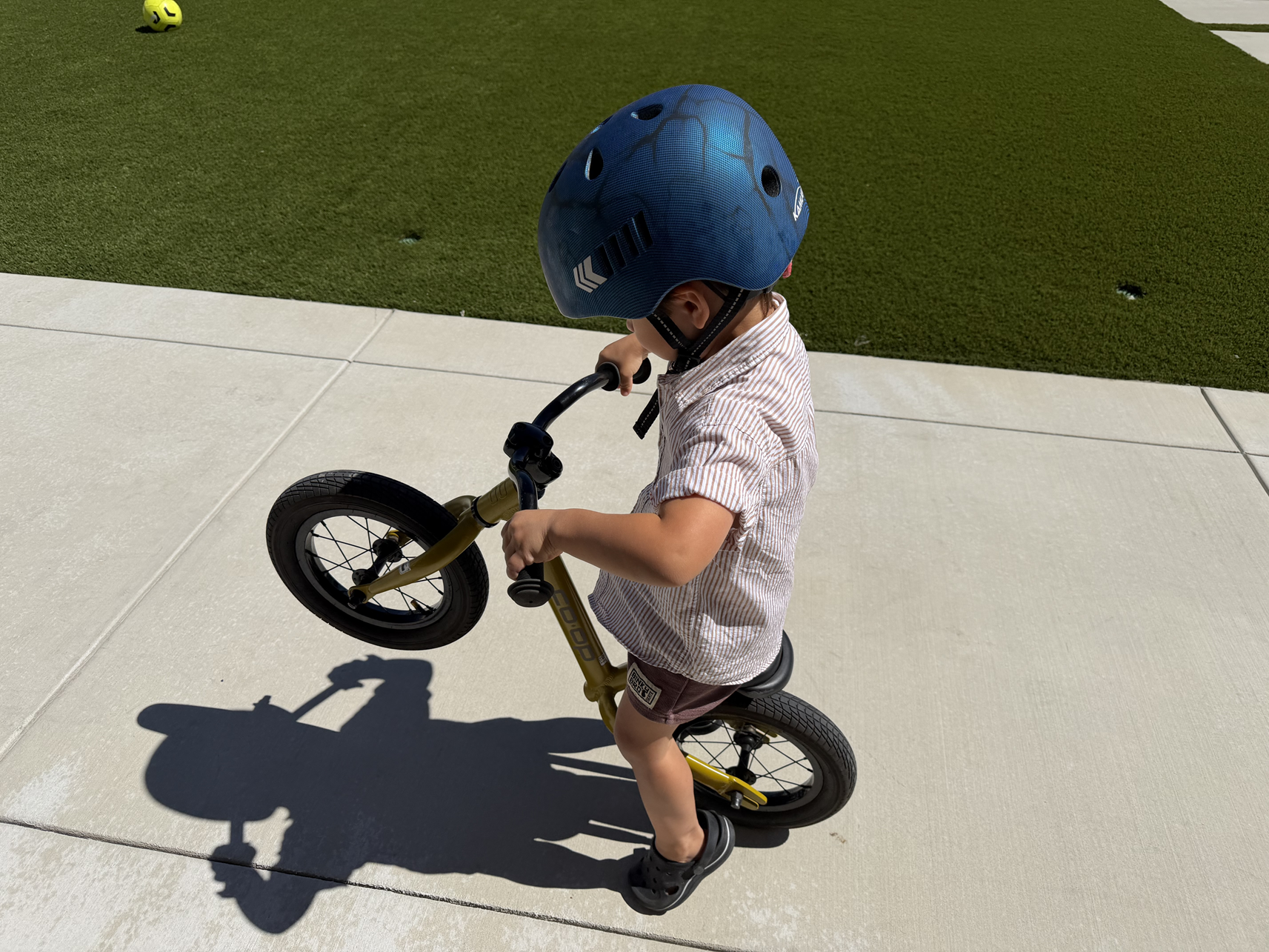
The balance bike ended up being one of those things.
When we first got it, I thought it would be just another outdoor toy in the rotation. Something we’d use here and there between snacks and park days.
But it quickly became part of our routine. An easy way to get outside, burn some energy, and reset the day a bit.
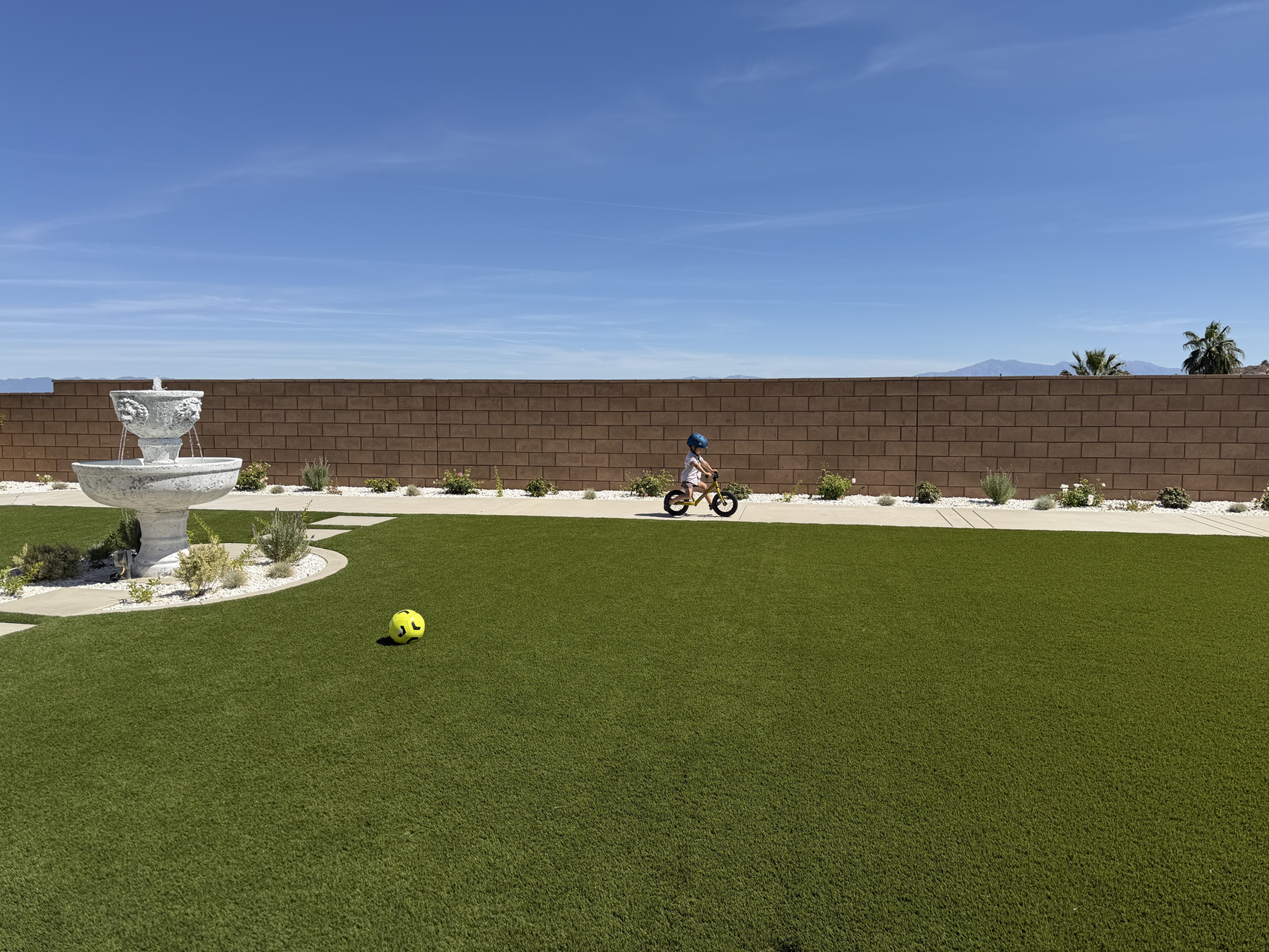
A balance bike is exactly what it sounds like. A small bike without pedals, designed so toddlers can focus on balancing before worrying about pedaling. It seems almost too simple to be as effective as it is.
But underneath that simplicity, there’s a lot happening.
Every time your child scoots forward, they’re learning how to stabilize themselves. Their body is constantly making tiny adjustments. Their hands steer, their core engages, their feet catch them when they tip too far. It’s coordination being built in real time, without them even realizing it.
And because there are no training wheels, the balance they’re learning is real. Not supported. Not artificial. Which is why so many kids who start on balance bikes skip training wheels entirely when they transition to a pedal bike.
There’s also something you can’t quite measure but you can clearly see: confidence. It builds gradually. First they walk the bike. Then they push. Then they glide - sometimes with their feet up! Each stage stacking on top of the last until suddenly they’re moving with a kind of independence that feels new.
There are days when getting out of the house with a toddler feels like an entire production. Shoes, snacks, water, negotiation.
The balance bike changes that dynamic.
It gives you an easy “yes.”
Let’s go ride your bike.
It also channels energy in a way that feels different from the usual chaos. It’s not just running around. It’s focused movement. You can feel the difference later in the day.
A lot of toddler activities have a short lifespan. Ten minutes, maybe twenty, and they’re onto something else.
This one tends to stay.
Part of that is because it grows with them. What starts as walking alongside the bike turns into gliding, turning, exploring. It evolves as they do.
And part of it is because it’s tied to something bigger. It’s not just play. It’s a skill. One that leads somewhere. You’re not just passing time, you’re watching progress.
Once you start looking, you’ll realize there are more options than expected. But the decision doesn’t need to be complicated.
Some of the most popular options include:
The biggest factors to consider are weight and adjustability. A lighter bike is easier for toddlers to control, and an adjustable seat means it will last longer as they grow.
Beyond that, there isn’t really a wrong choice. The difference isn’t in whether it works. It’s in how smoothly your child takes to it.
It’s one of the few toddler purchases that actually earns its place.
It fits into your day without effort. It becomes the thing you grab when you need to get out of the house or just break up the afternoon.
Your child actually uses it. They come back to it. And over time, you start to see real progress... more confidence, better control, a little more independence each time.

.png)